In today's interconnected world, managing IoT devices remotely has become a necessity for many professionals and tech enthusiasts. The ability to access and control IoT devices through Secure Shell (SSH) directly from an Android device offers unmatched convenience and flexibility. This article delves deep into the concept of remote IoT device SSH on Android, exploring its benefits, setup process, security considerations, and much more.
As technology evolves, remote access solutions have become increasingly sophisticated. Whether you're a network administrator, developer, or hobbyist, understanding how to leverage SSH on Android can significantly enhance your ability to manage IoT systems effectively. This guide will provide you with the knowledge and tools needed to harness this powerful capability.
Our focus will be on practical insights, ensuring that you not only understand the theoretical aspects but also gain hands-on knowledge to implement remote IoT device SSH on Android successfully. By the end of this article, you'll be equipped with the expertise to manage your IoT devices efficiently from anywhere in the world.
Table of Contents
- Introduction to Remote IoT Device SSH on Android
- Benefits of Using SSH for IoT Devices
- Setting Up SSH on Android Devices
- Essential Tools for Remote IoT Device SSH
- Security Considerations for Remote Access
- Optimizing Performance for Remote IoT SSH
- Common Issues and Troubleshooting Tips
- Automating IoT Device Management with SSH
- Future Trends in Remote IoT Device Management
- Conclusion and Next Steps
Introduction to Remote IoT Device SSH on Android
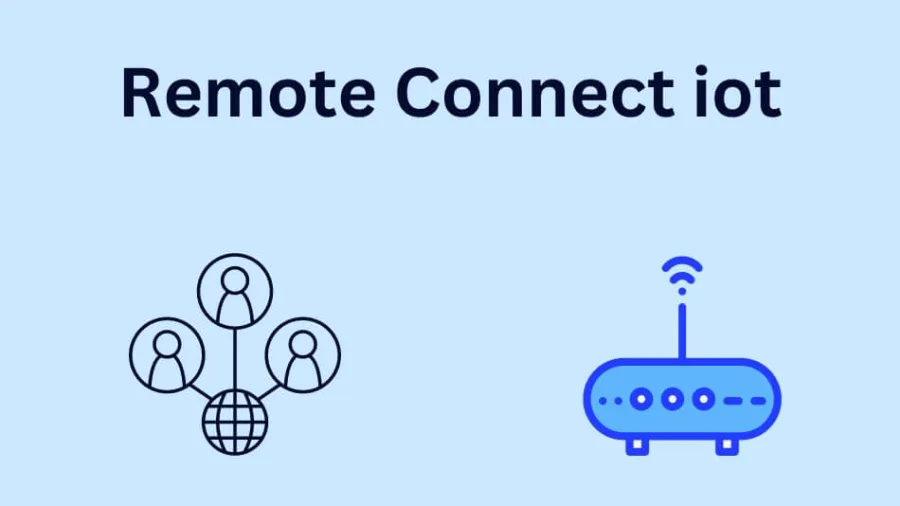
Remote IoT device SSH on Android represents a cutting-edge approach to managing Internet of Things (IoT) devices from mobile platforms. With the proliferation of smart devices, the need for secure and reliable remote access mechanisms has grown exponentially. SSH, or Secure Shell, serves as the backbone of this process, providing encrypted communication channels that ensure data integrity and security.
Why Choose Android for Remote IoT Management?Android's versatility and widespread adoption make it an ideal platform for managing IoT devices remotely. The operating system's compatibility with various SSH clients and tools simplifies the setup process, making it accessible even for beginners. Additionally, Android devices' portability ensures that you can manage your IoT infrastructure from virtually anywhere.
Understanding SSH in the Context of IoTSSH is a network protocol that facilitates secure data communication between devices. In the realm of IoT, SSH enables administrators to execute commands, transfer files, and monitor device performance remotely. Its robust encryption protocols ensure that sensitive data remains protected from unauthorized access.
Benefits of Using SSH for IoT Devices
Adopting SSH for IoT device management brings numerous advantages that enhance operational efficiency and security.
Enhanced SecuritySSH employs advanced encryption techniques, such as RSA and AES, to safeguard communication between devices. This ensures that sensitive information remains confidential and protected from potential cyber threats.
Remote AccessibilityWith SSH, you can access and manage IoT devices from anywhere in the world, as long as there is an internet connection. This flexibility is particularly beneficial for organizations with distributed IoT infrastructures.
Automation and ScriptingSSH supports automation through scripting, allowing you to automate repetitive tasks and streamline device management processes. This capability significantly reduces manual intervention and minimizes the risk of human error.
Setting Up SSH on Android Devices
Setting up SSH on an Android device involves a few straightforward steps. Below is a comprehensive guide to help you configure SSH for remote IoT device management.
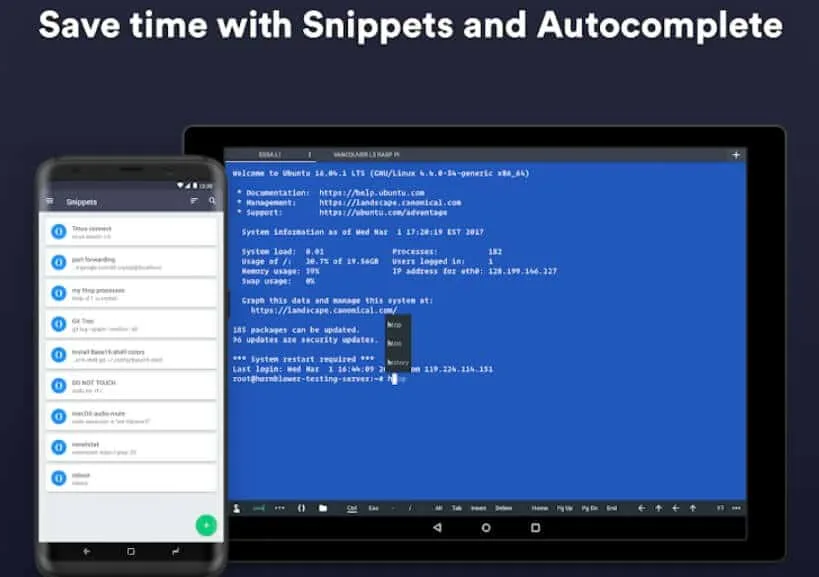
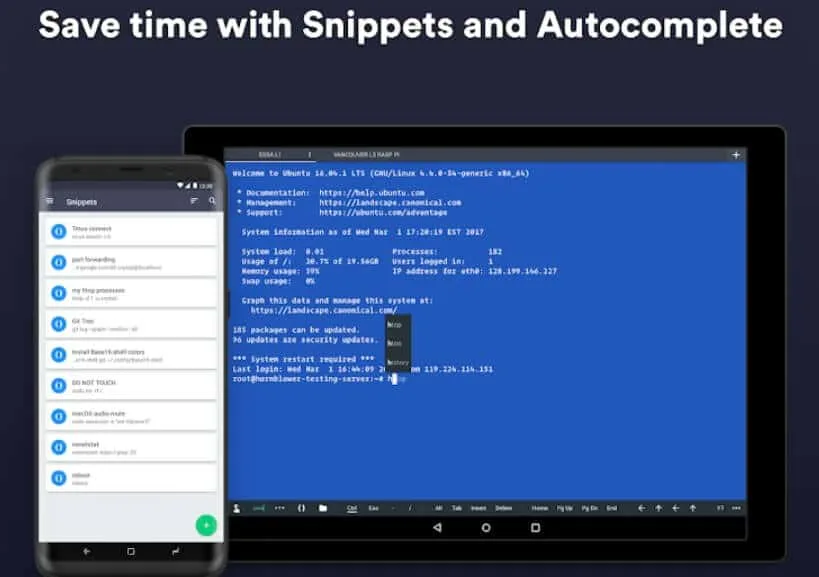
Step 1: Install an SSH Client- Download and install a reliable SSH client app from the Google Play Store. Popular options include JuiceSSH and Termux.
- Ensure that the app is compatible with your Android version and meets the requirements for IoT device management.
- Enable SSH on your IoT device by accessing its settings menu. This process may vary depending on the device's operating system.
- Generate SSH keys for secure authentication and store them in a secure location.
- Use the SSH client app to connect to your IoT device by entering its IP address and port number.
- Authenticate using the generated SSH keys or password credentials.
Essential Tools for Remote IoT Device SSH
Several tools can enhance your experience with remote IoT device SSH on Android. Below are some of the most effective tools available:
SSH Clients- JuiceSSH: A user-friendly SSH client with a clean interface and robust feature set.
- Termux: A powerful terminal emulator and Linux environment for Android, offering extensive customization options.
- SCP (Secure Copy Protocol): Facilitates secure file transfers between Android devices and IoT systems.
- WinSCP (for cross-platform use): A versatile file transfer tool compatible with SSH.
Security Considerations for Remote Access
While SSH provides a secure communication channel, it is essential to implement additional security measures to protect your IoT devices from potential threats.
Use Strong Authentication MethodsAdopt strong authentication mechanisms, such as two-factor authentication (2FA) and public key authentication, to enhance security. Avoid using weak passwords that can be easily compromised.
Regularly Update SoftwareKeep your SSH clients and IoT devices up to date with the latest security patches and updates. This ensures that any vulnerabilities are promptly addressed.
Monitor Access LogsRegularly review access logs to detect any unauthorized access attempts. Implement intrusion detection systems (IDS) to alert you of suspicious activities.
Optimizing Performance for Remote IoT SSH
Optimizing the performance of your remote IoT SSH setup can significantly improve your user experience. Below are some tips to enhance performance:
Compress Data TransfersEnable data compression in your SSH client to reduce the amount of data transmitted during sessions. This can improve connection speeds, especially over slower networks.
Use Efficient SSH ProtocolsSelect efficient SSH protocols, such as SSH-2, which offer better performance and security compared to older versions.
Minimize Background ProcessesClose unnecessary applications on your Android device to free up resources and improve SSH performance.
Common Issues and Troubleshooting Tips
Encountering issues during remote IoT device SSH sessions is not uncommon. Below are some common problems and their solutions:
Connection TimeoutIf you experience connection timeouts, ensure that your IoT device's firewall settings allow SSH traffic. Additionally, verify that the correct IP address and port number are entered in your SSH client.
Authentication FailuresAuthentication failures may occur due to incorrect credentials or expired SSH keys. Double-check your login information and regenerate keys if necessary.
Automating IoT Device Management with SSH
Automation plays a crucial role in streamlining IoT device management. By leveraging SSH, you can automate various tasks, such as:
Script ExecutionCreate scripts to automate routine tasks, such as system updates, backups, and configuration changes. Schedule these scripts to run at specific intervals for consistent management.
Monitoring and AlertsSet up monitoring systems that utilize SSH to gather performance metrics and send alerts in case of anomalies. This proactive approach helps prevent potential issues before they escalate.
Future Trends in Remote IoT Device Management
The future of remote IoT device management looks promising, with emerging technologies set to revolutionize the field. Below are some trends to watch out for:
Quantum Computing and EncryptionAs quantum computing advances, new encryption methods will emerge, enhancing the security of SSH communications. This will further bolster the protection of IoT devices against sophisticated cyber threats.
Artificial Intelligence IntegrationAI-driven solutions will play a pivotal role in automating complex IoT management tasks, offering predictive insights and optimizing resource utilization.
Conclusion and Next Steps
Remote IoT device SSH on Android offers a powerful solution for managing smart devices efficiently and securely. By following the guidelines outlined in this article, you can unlock the full potential of this technology and enhance your IoT infrastructure's performance.
We encourage you to share your thoughts and experiences in the comments section below. Additionally, explore our other articles for more insights into IoT and related technologies. Together, let's shape the future of connected systems.