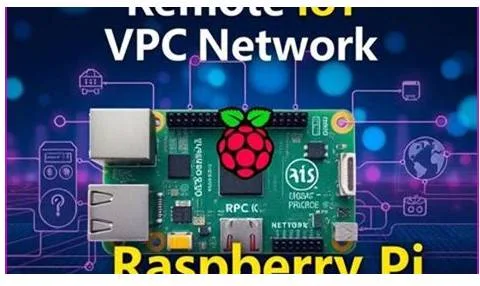
RemoteIoT monitoring on Android is a game-changing solution for managing and controlling IoT devices from anywhere in the world. With the increasing adoption of IoT technology, the need for efficient and reliable remote monitoring systems has never been more critical. This article will explore how Android-based remote monitoring can revolutionize the way we interact with IoT devices, ensuring seamless connectivity and data management.
In today's interconnected world, IoT devices are becoming an integral part of our daily lives. From smart homes to industrial automation, IoT devices offer unparalleled convenience and efficiency. However, managing these devices remotely can be challenging without the right tools and strategies. RemoteIoT monitoring on Android provides a powerful solution to this challenge.
This guide will delve into the intricacies of remote IoT monitoring on Android, offering practical insights and actionable tips for users and professionals alike. Whether you're a beginner or an experienced developer, this article will equip you with the knowledge you need to harness the full potential of IoT technology.
Table of Contents
- Introduction to RemoteIoT Monitoring on Android
- Benefits of RemoteIoT Monitoring
- Setting Up RemoteIoT Monitoring on Android
- Tools and Applications for RemoteIoT Monitoring
- Data Management in RemoteIoT Monitoring
- Ensuring Security in RemoteIoT Monitoring
- Best Practices for RemoteIoT Monitoring
- Common Challenges in RemoteIoT Monitoring
- Future Trends in RemoteIoT Monitoring
- Conclusion
Introduction to RemoteIoT Monitoring on Android
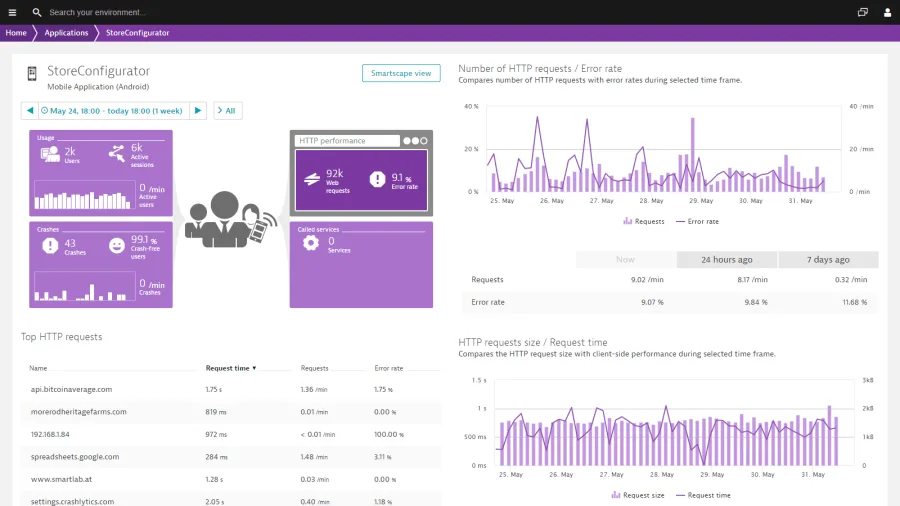
RemoteIoT monitoring on Android involves the use of mobile applications and cloud-based platforms to monitor and manage IoT devices from a distance. This technology allows users to access real-time data, control device settings, and receive alerts directly on their Android devices. The integration of IoT with Android has opened up new possibilities for businesses and individuals alike.
Android's flexibility and widespread adoption make it an ideal platform for remote IoT monitoring. With its robust ecosystem and developer-friendly environment, Android supports a wide range of IoT applications, from home automation to industrial control systems.
Why Android for RemoteIoT Monitoring?Android's dominance in the mobile market, coupled with its open-source nature, makes it a preferred choice for IoT developers. Key advantages include:
- Rich library support for IoT development
- Compatibility with various hardware platforms
- Seamless integration with cloud services
- Active developer community for troubleshooting and innovation
Benefits of RemoteIoT Monitoring
RemoteIoT monitoring on Android offers several benefits that enhance the efficiency and effectiveness of IoT systems. These advantages are particularly valuable in industries where real-time data monitoring and device control are critical.
Increased EfficiencyBy enabling remote access to IoT devices, users can manage multiple systems simultaneously without being physically present. This reduces downtime and improves overall operational efficiency.
Cost SavingsRemote monitoring eliminates the need for on-site visits, reducing travel costs and resource allocation. Additionally, predictive maintenance capabilities help prevent costly repairs and equipment failures.
Enhanced Data AccessibilityWith remote IoT monitoring, users can access critical data from anywhere, facilitating informed decision-making and timely interventions.
Setting Up RemoteIoT Monitoring on Android
Setting up remote IoT monitoring on Android involves several steps, including hardware configuration, software installation, and network setup. Below is a step-by-step guide to help you get started:
Hardware RequirementsBefore you begin, ensure you have the necessary hardware components, such as:
- IoT-enabled devices
- Android smartphone or tablet
- Internet connectivity
Download and install a reliable IoT monitoring app from the Google Play Store. Popular options include:
- ThingSpeak
- Blynk
- Adafruit IO
Configure your IoT devices to connect to a Wi-Fi network or cellular data. Ensure that the network settings are secure and optimized for IoT communication.
Tools and Applications for RemoteIoT Monitoring
Several tools and applications are available to facilitate remote IoT monitoring on Android. These tools offer a range of features, from basic monitoring to advanced analytics.
Popular ToolsSome of the most popular tools for remote IoT monitoring include:
- ThingSpeak: A cloud-based platform for IoT data visualization and analysis
- Blynk: A user-friendly app for controlling IoT devices
- Adafruit IO: A comprehensive IoT platform for data collection and automation
When selecting a tool for remote IoT monitoring, consider the following features:
- Real-time data visualization
- Customizable dashboards
- Notification alerts
- Integration with third-party services
Data Management in RemoteIoT Monitoring
Effective data management is crucial for successful remote IoT monitoring. Proper data handling ensures that users receive accurate and actionable insights from their IoT devices.
Data CollectionData collection involves gathering information from IoT sensors and devices. This data can include temperature readings, motion detection, and other relevant metrics.
Data StorageStoring IoT data securely and efficiently is essential for long-term monitoring. Cloud-based storage solutions, such as Google Cloud and AWS, offer scalable and reliable options for data storage.
Data AnalysisAdvanced analytics tools can process IoT data to identify trends, anomalies, and patterns. These insights can help users optimize their IoT systems and improve overall performance.
Ensuring Security in RemoteIoT Monitoring
Security is a top priority in remote IoT monitoring. Protecting IoT devices and data from unauthorized access is critical to maintaining system integrity and user trust.
AuthenticationImplement strong authentication mechanisms, such as two-factor authentication (2FA), to secure access to IoT devices and monitoring apps.
EncryptionEncrypt data transmitted between IoT devices and Android devices to prevent interception and data breaches.
Regular UpdatesKeep your IoT devices and monitoring apps up to date with the latest security patches and firmware updates.
Best Practices for RemoteIoT Monitoring
Adopting best practices for remote IoT monitoring can enhance the reliability and effectiveness of your system. Below are some recommendations:
Plan Your System ArchitectureDesign a robust system architecture that accounts for scalability, redundancy, and fault tolerance.
Monitor System PerformanceRegularly monitor system performance to identify and address potential issues before they escalate.
Document Your ProcessesCreate detailed documentation of your remote IoT monitoring setup, including hardware configurations, software settings, and troubleshooting procedures.
Common Challenges in RemoteIoT Monitoring
While remote IoT monitoring offers numerous benefits, it also presents several challenges that must be addressed to ensure successful implementation.
Network ConnectivityUnreliable network connectivity can disrupt remote monitoring operations. Ensure that your IoT devices have stable and secure internet access.
Device CompatibilityNot all IoT devices are compatible with Android-based monitoring apps. Verify device compatibility before purchasing and integrating new devices into your system.
Data PrivacyProtecting user data is paramount in remote IoT monitoring. Comply with relevant data protection regulations, such as GDPR, to safeguard user privacy.
Future Trends in RemoteIoT Monitoring
The future of remote IoT monitoring on Android is promising, with several emerging trends set to shape the industry. These trends include:
Artificial IntelligenceAI-powered analytics will enhance the capabilities of remote IoT monitoring systems, enabling predictive maintenance and autonomous decision-making.
Edge ComputingEdge computing will reduce latency and improve data processing speeds by performing computations closer to the source of data generation.
5G ConnectivityThe rollout of 5G networks will provide faster and more reliable connectivity for IoT devices, facilitating real-time monitoring and control.
Conclusion
RemoteIoT monitoring on Android is a powerful solution for managing IoT devices from anywhere in the world. By leveraging the capabilities of Android devices and cloud-based platforms, users can achieve greater efficiency, cost savings, and data accessibility in their IoT systems.
We encourage readers to explore the tools and applications discussed in this article and experiment with remote IoT monitoring on their Android devices. Share your experiences and insights in the comments section below, and don't forget to check out our other articles for more information on IoT technology.
References:
- Google Cloud IoT Core Documentation
- AWS IoT Documentation
- ThingSpeak User Guide
- Blynk Developer Resources