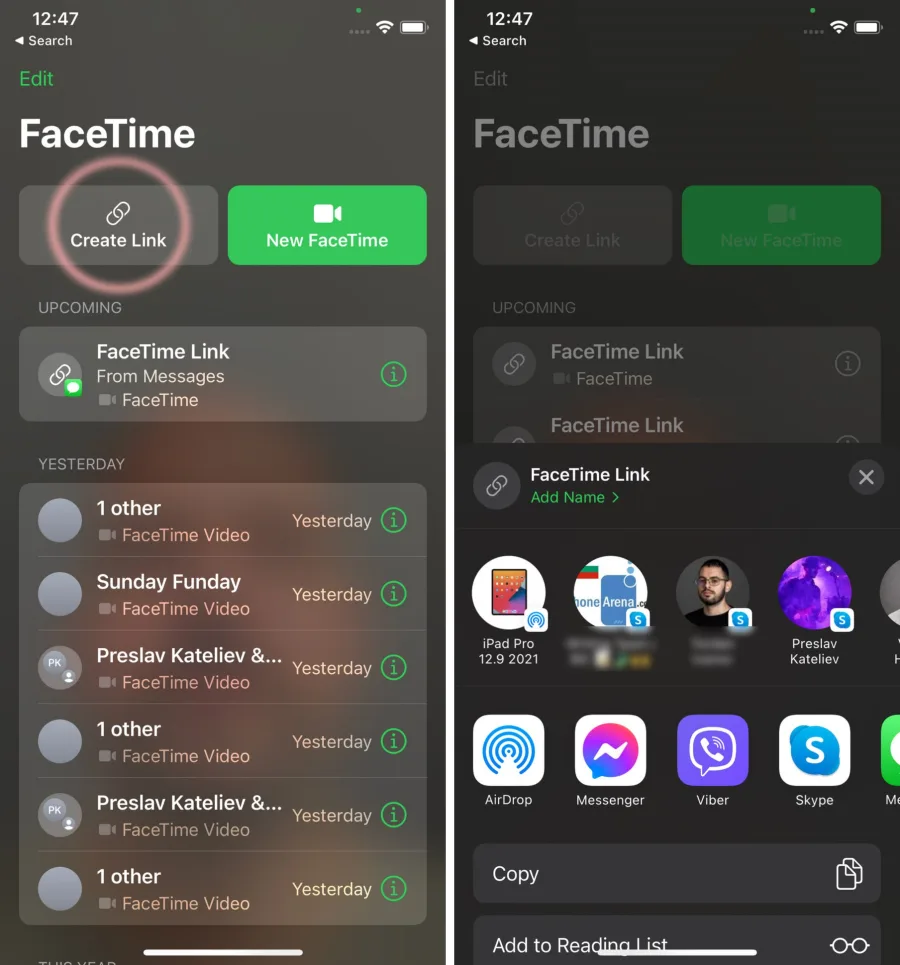
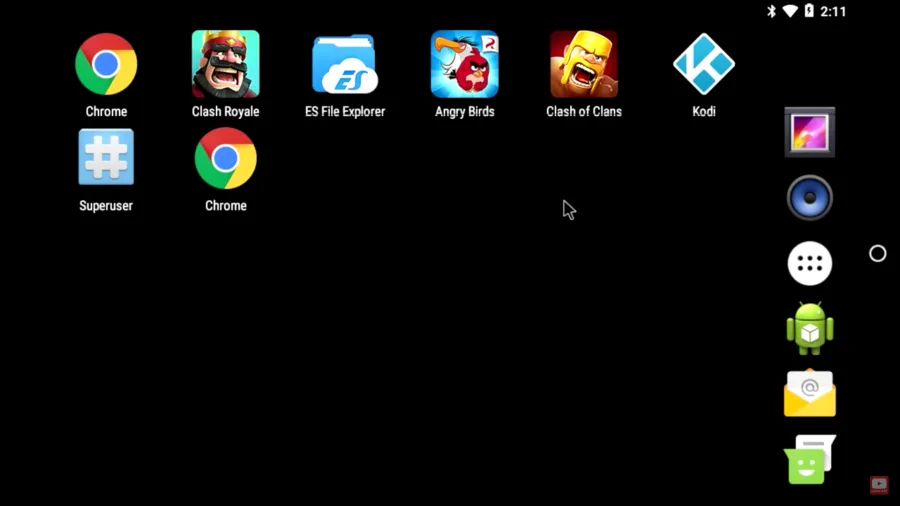
In the rapidly evolving world of technology, securely connecting remote IoT devices through a Virtual Private Cloud (VPC) using a Raspberry Pi and Android has become an essential skill for tech enthusiasts and professionals alike. Whether you're a hobbyist or a seasoned developer, the ability to manage IoT devices remotely is not only convenient but also crucial for maintaining security and efficiency. This article will guide you step-by-step on how to achieve this without breaking the bank, ensuring your IoT network remains secure and accessible from any Android device.
As more businesses and individuals adopt IoT devices, the need for secure remote access has never been greater. Understanding how to securely connect remote IoT VPC Raspberry Pi free Android solutions is not only about convenience; it’s about safeguarding sensitive data and ensuring uninterrupted connectivity. This article will explore the nuances of setting up such a system while addressing potential security concerns.
Whether you're configuring your first IoT setup or optimizing an existing network, this guide will provide you with actionable insights and practical advice. By the end of this article, you’ll have a clear understanding of how to leverage Raspberry Pi and Android devices for secure IoT communication, ensuring your devices are always connected and protected.
Understanding IoT and Its Importance
The Internet of Things (IoT) refers to a network of interconnected devices that can communicate and exchange data over the internet without requiring human intervention. These devices range from simple sensors to complex machines, all designed to enhance automation and efficiency. IoT plays a pivotal role in various sectors, including healthcare, manufacturing, and smart homes, revolutionizing the way we interact with technology.
Key Variations:
- IoT devices for home automation
- Industrial IoT (IIoT)
- Wearable IoT devices
As IoT devices become more prevalent, so do the risks associated with them. Unsecured IoT connections can lead to data breaches, unauthorized access, and even physical security threats. Securing your IoT network is crucial to protecting sensitive information and ensuring the integrity of your devices. This section will delve into the importance of secure IoT connections and the potential consequences of neglecting security measures.
According to a study by Symantec, nearly 50% of all IoT devices are vulnerable to medium or high-severity attacks. This statistic underscores the necessity of implementing robust security protocols when connecting IoT devices remotely.
Setting Up a Virtual Private Cloud (VPC)
What is a VPC?A Virtual Private Cloud (VPC) is a secure and isolated network environment within the cloud. It allows you to configure your own IP address range, create subnets, and set up routing tables and network gateways. Using a VPC ensures that your IoT devices are protected from unauthorized access while maintaining seamless communication.
Benefits of Using a VPC:
- Enhanced security through network isolation
- Customizable network configurations
- Scalability to accommodate growing IoT networks
To set up a VPC for your IoT devices, follow these steps:
- Choose a cloud provider that supports VPC, such as AWS or Google Cloud.
- Create a new VPC and define your IP address range.
- Set up subnets and configure security groups to control access.
- Deploy your IoT devices within the VPC and test connectivity.
Raspberry Pi as an IoT Gateway
Why Use Raspberry Pi?The Raspberry Pi is a versatile and cost-effective single-board computer that can serve as an IoT gateway. Its affordability and compatibility with various sensors and devices make it an ideal choice for setting up secure IoT connections. By using a Raspberry Pi, you can manage and monitor your IoT devices efficiently while maintaining a secure connection.
Key Features of Raspberry Pi:
- Low power consumption
- Wide range of GPIO pins for connecting sensors
- Support for multiple operating systems
To configure your Raspberry Pi for IoT, you’ll need to:
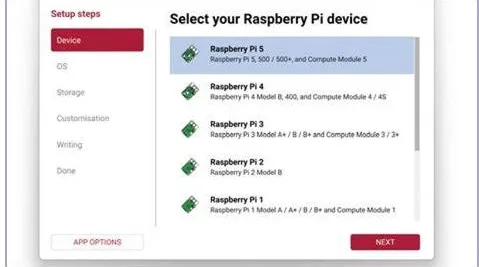
- Install an operating system like Raspbian or Ubuntu Server.
- Set up SSH for remote access.
- Install necessary libraries and dependencies for your IoT project.
- Connect your IoT devices to the Raspberry Pi and test functionality.
Connecting Raspberry Pi to Android
Why Android?Android is one of the most widely used mobile operating systems, making it an excellent platform for controlling IoT devices remotely. By connecting your Raspberry Pi to an Android device, you can manage your IoT network from anywhere, ensuring convenience and accessibility.
Advantages of Using Android:
- Wide availability of IoT apps
- Easy integration with cloud services
- Support for various communication protocols
Connecting your Raspberry Pi to an Android device involves the following steps:
- Install a remote access app like VNC Viewer on your Android device.
- Set up VNC on your Raspberry Pi to enable remote desktop access.
- Connect to your Raspberry Pi from your Android device using its IP address.
- Use the Raspberry Pi interface to manage your IoT devices remotely.
Ensuring Security in IoT Connections
Best Practices for IoT SecuritySecuring your IoT connections requires a multi-faceted approach. Implementing best practices such as encryption, authentication, and regular software updates can significantly enhance the security of your IoT network.
Recommended Security Measures:
- Use strong, unique passwords for all devices
- Enable two-factor authentication wherever possible
- Regularly update firmware and software
- Monitor network activity for suspicious behavior
Understanding common IoT security threats is crucial for implementing effective countermeasures. Some of the most prevalent threats include:
- Malware infections
- Denial-of-service (DoS) attacks
- Data breaches
- Unauthorized access
Cost-Effective Solutions for IoT
Free Tools and ResourcesThere are numerous free tools and resources available for setting up secure IoT connections. Platforms like AWS Free Tier and Google Cloud Free Tier offer limited access to cloud services, making it possible to experiment with IoT setups without incurring significant costs.
Free Tools for IoT:
- MQTT brokers for message exchange
- Open-source IoT frameworks
- Cloud storage solutions
Open-source alternatives provide a cost-effective way to manage IoT devices. Platforms like Home Assistant and OpenHAB offer robust features for controlling and monitoring IoT devices, ensuring security and functionality without the need for expensive proprietary solutions.
Case Studies and Real-World Applications
Successful IoT ImplementationsSeveral organizations have successfully implemented secure IoT solutions using Raspberry Pi and Android. For instance, a smart agriculture project utilized IoT sensors connected to a Raspberry Pi to monitor soil moisture levels and automate irrigation systems, resulting in significant water savings and increased crop yields.
Lessons LearnedFrom these implementations, it’s clear that planning and security are paramount. Key lessons include:
- Thoroughly testing all components before deployment
- Implementing robust security protocols from the outset
- Regularly reviewing and updating security measures
Future Trends in IoT
Emerging TechnologiesThe IoT landscape is constantly evolving, with emerging technologies like 5G and edge computing set to revolutionize the way we connect and manage devices. These advancements promise faster, more reliable connections and enhanced processing capabilities at the edge of the network.
Predictions for IoT GrowthExperts predict that the global IoT market will reach $1.5 trillion by 2030, driven by increasing adoption across various industries. As more devices become connected, the need for secure and efficient IoT solutions will only continue to grow.
Conclusion
Securing remote IoT connections through a VPC using a Raspberry Pi and Android is not only achievable but also cost-effective. By following the steps outlined in this article, you can ensure your IoT network remains secure and accessible from anywhere. Remember to implement best practices for IoT security and stay informed about the latest trends and technologies in the field.
We invite you to share your thoughts and experiences in the comments below. If you found this article helpful, please consider sharing it with others who may benefit from it. For more insights on IoT and related technologies, explore our other articles on the site.
Table of Contents
- Understanding IoT and Its Importance
- Setting Up a Virtual Private Cloud (VPC)
- Raspberry Pi as an IoT Gateway
- Connecting Raspberry Pi to Android
- Ensuring Security in IoT Connections
- Cost-Effective Solutions for IoT
- Case Studies and Real-World Applications
- Future Trends in IoT
- Conclusion