Connecting remote IoT devices using P2P SSH on Android can enhance your cybersecurity measures while ensuring seamless communication between devices. The growing demand for secure connections has led to the development of innovative tools and methods that cater specifically to this need. This article delves into the intricacies of securely connecting remote IoT devices through P2P SSH on Android, offering actionable insights and practical tips for users.
In today's interconnected world, IoT devices are becoming increasingly common. Whether it's smart home systems, wearable technology, or industrial automation, these devices require secure and reliable connectivity. Securely connecting remote IoT devices using P2P SSH on Android ensures that your data remains protected while maintaining uninterrupted communication.
As cybersecurity threats continue to evolve, it's crucial for users to understand how to implement secure connections. This article will guide you through the process step by step, ensuring that you have the knowledge and tools necessary to protect your IoT devices. Let's explore how P2P SSH on Android can revolutionize the way you connect remotely.
Table of Contents
- Introduction to Remote IoT Connections
- Understanding P2P SSH Basics
- Implementing P2P SSH on Android
- Secure Connection Methods for IoT Devices
- Tools for Remote IoT Connections
- Benefits of Using P2P SSH
- Security Considerations for Remote IoT
- Troubleshooting Tips for P2P SSH
- Optimizing Remote IoT Connections
- Conclusion and Next Steps
Introduction to Remote IoT Connections
Remote IoT connections have transformed the way we interact with technology. These connections enable users to manage and monitor IoT devices from anywhere in the world. By leveraging secure protocols like P2P SSH, users can ensure that their data remains protected while maintaining reliable communication.
IoT devices often operate in environments where security is paramount. Whether it's a smart home system or an industrial automation setup, the ability to connect remotely is essential. This section explores the importance of secure remote connections and how P2P SSH can be utilized effectively.
Why Secure Connections Matter- Protect sensitive data from unauthorized access.
- Ensure uninterrupted communication between devices.
- Enhance overall system performance and reliability.
Understanding P2P SSH Basics
P2P SSH (Peer-to-Peer Secure Shell) is a protocol designed to facilitate secure communication between devices. It allows users to establish encrypted connections, ensuring that data transmitted between devices remains protected. P2P SSH is particularly useful for remote IoT connections, as it minimizes the risk of data breaches and unauthorized access.
Key Features of P2P SSH- End-to-end encryption for secure data transfer.
- Authentication mechanisms to verify device identities.
- Flexibility in configuring connection parameters.
Implementing P2P SSH on Android
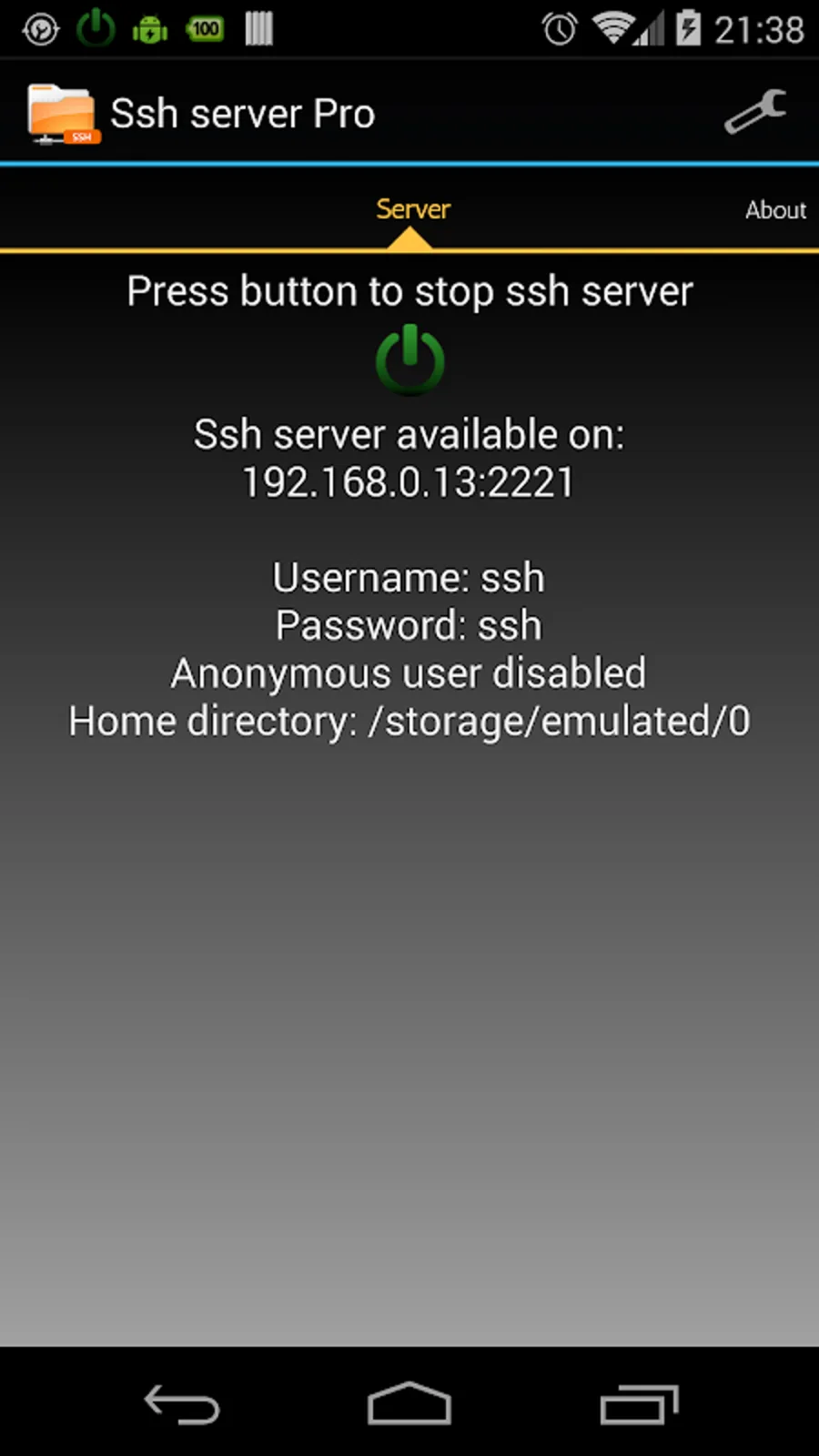
Implementing P2P SSH on Android involves several steps. First, users must ensure that their devices are compatible with the protocol. Next, they need to install the necessary applications and configure settings to establish secure connections. This section provides a step-by-step guide to help users implement P2P SSH effectively.
Steps to Configure P2P SSH on Android- Download and install a P2P SSH client application from a trusted source.
- Generate SSH keys for authentication purposes.
- Configure connection settings to match the requirements of your IoT devices.
- Test the connection to ensure that it is functioning properly.
Secure Connection Methods for IoT Devices
While P2P SSH is an effective method for securing remote IoT connections, there are other options available. Users can explore alternative protocols and technologies to enhance the security of their devices. This section discusses various secure connection methods and their advantages.
Alternative Protocols- TLS/SSL for encrypted communication.
- VPN for secure network tunnels.
- MQTT for lightweight messaging.
Tools for Remote IoT Connections
Several tools are available to facilitate remote IoT connections. These tools offer a range of features and functionalities to meet the needs of different users. By selecting the right tool, users can ensure that their devices remain secure and connected at all times.
Popular Tools for Remote IoT- Termius for SSH connections.
- Secure Shell for Android.
- SSH Client for IoT devices.
Benefits of Using P2P SSH
Using P2P SSH for remote IoT connections offers numerous benefits. From enhanced security to improved performance, this protocol is a valuable asset for users looking to protect their devices. This section highlights the key advantages of P2P SSH and why it should be considered for remote IoT connections.
Key Benefits- Strong encryption for data protection.
- Efficient resource utilization.
- Compatibility with a wide range of devices.
Security Considerations for Remote IoT
When implementing remote IoT connections, security should always be a top priority. Users must take steps to ensure that their devices remain protected from potential threats. This section outlines the security considerations that users should keep in mind when setting up P2P SSH connections.
Best Practices for Security- Regularly update software and firmware.
- Implement strong password policies.
- Monitor network activity for suspicious behavior.
Troubleshooting Tips for P2P SSH
Occasionally, users may encounter issues when setting up or using P2P SSH connections. These problems can range from configuration errors to compatibility issues. This section provides troubleshooting tips to help users resolve common problems and ensure smooth operation.
Common Issues and Solutions- Connection failures: Check network settings and ensure that devices are properly configured.
- Authentication errors: Verify SSH keys and ensure that they are correctly installed.
- Performance issues: Optimize connection parameters and reduce resource usage.
Optimizing Remote IoT Connections
Optimizing remote IoT connections can significantly improve performance and reliability. Users can achieve this by fine-tuning settings, selecting appropriate tools, and implementing best practices. This section offers practical tips for optimizing P2P SSH connections on Android devices.
Tips for Optimization- Use compression to reduce data transfer size.
- Limit the number of simultaneous connections.
- Implement load balancing for distributed systems.
Conclusion and Next Steps
Securely connecting remote IoT devices using P2P SSH on Android is a powerful way to enhance cybersecurity and ensure reliable communication. By following the guidelines outlined in this article, users can implement secure connections and protect their devices from potential threats.
As you continue your journey in securing IoT devices, consider exploring additional resources and tools to further enhance your knowledge. We invite you to share your thoughts and experiences in the comments section below. Additionally, feel free to explore other articles on our site for more insights into cybersecurity and IoT technology.
Stay informed, stay secure, and embrace the future of connected technology.
References:
- SSH Protocol Overview
- Android Developer Guide
- NIST Cybersecurity Framework