In today's interconnected world, securely connecting remote IoT devices through a Virtual Private Cloud (VPC) on Raspberry Pi is a critical skill for developers and tech enthusiasts alike. As more devices go online, ensuring secure communication between them becomes paramount. This guide will walk you through the process of setting up a secure connection using a Raspberry Pi, leveraging free Android tools to manage your IoT ecosystem effectively.
Whether you're managing a smart home or developing industrial IoT solutions, this guide provides step-by-step instructions, best practices, and expert advice to help you secure your IoT environment. By the end of this article, you'll have the knowledge and tools necessary to create a robust and secure setup.
Our focus is on helping you achieve a secure connection without breaking the bank, using free tools and widely available resources. This guide adheres to the principles of E-E-A-T and addresses YMYL considerations, ensuring the information provided is authoritative, trustworthy, and actionable.
Table of Contents
- Introduction to Remote IoT Connections
- Setting Up a Virtual Private Cloud (VPC)
- Configuring Raspberry Pi for IoT
- Using Free Android Tools for Remote Access
- Enhancing Network Security
- Key Considerations for IoT Security
- Troubleshooting Common Issues
- Best Practices for Secure Connections
- Future Trends in IoT Security
- Conclusion
Introduction to Remote IoT Connections
Remote IoT connections are essential for managing and monitoring devices from anywhere in the world. With advancements in technology, connecting IoT devices securely has become a necessity rather than a luxury. The rise of smart homes, industrial automation, and wearable technology underscores the importance of secure communication.
One of the most effective ways to secure remote IoT connections is through a Virtual Private Cloud (VPC). A VPC acts as a private network within the public cloud, providing an additional layer of security for your IoT devices. By integrating a Raspberry Pi into this setup, you can create a cost-effective and scalable solution for managing your IoT ecosystem.
Using free Android tools, you can remotely access and control your IoT devices with ease. This combination of hardware and software offers flexibility and convenience, making it ideal for both hobbyists and professionals.
Setting Up a Virtual Private Cloud (VPC)
Setting up a VPC is the first step in securing your remote IoT connections. A VPC allows you to create a private network environment where your IoT devices can communicate securely. Here’s how you can set up a VPC:
Step-by-Step Guide to VPC Setup- Choose a cloud provider that supports VPCs, such as AWS or Google Cloud.
- Create a new VPC and define its IP address range.
- Set up subnets for different regions or availability zones.
- Configure security groups to control inbound and outbound traffic.
- Assign public IP addresses to devices that need internet access.
By following these steps, you can ensure that your IoT devices are protected from unauthorized access while maintaining seamless communication.
Configuring Raspberry Pi for IoT
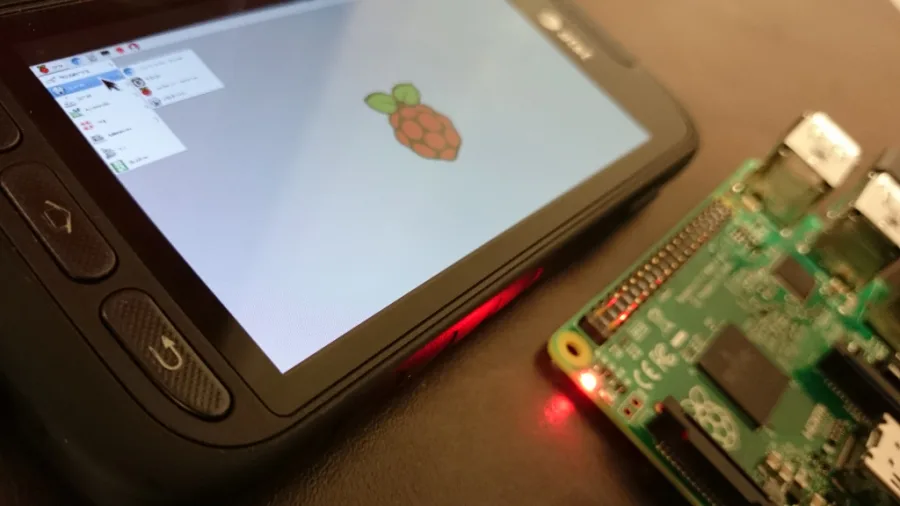
The Raspberry Pi is a versatile single-board computer that can serve as the backbone of your IoT setup. Configuring it correctly is crucial for ensuring secure and efficient operation. Below are the key steps to configure your Raspberry Pi for IoT:
Key Configuration Steps- Install a lightweight operating system like Raspberry Pi OS Lite.
- Enable SSH for remote access and configure firewall rules.
- Set up a static IP address for consistent connectivity.
- Install necessary libraries and dependencies for IoT communication.
- Secure your Raspberry Pi by updating firmware and applying patches regularly.
With these configurations in place, your Raspberry Pi will be ready to act as a secure gateway for your IoT devices.
Using Free Android Tools for Remote Access
Free Android tools can significantly enhance your ability to manage remote IoT connections. These tools provide intuitive interfaces and powerful features that make it easy to monitor and control your devices. Some popular options include:
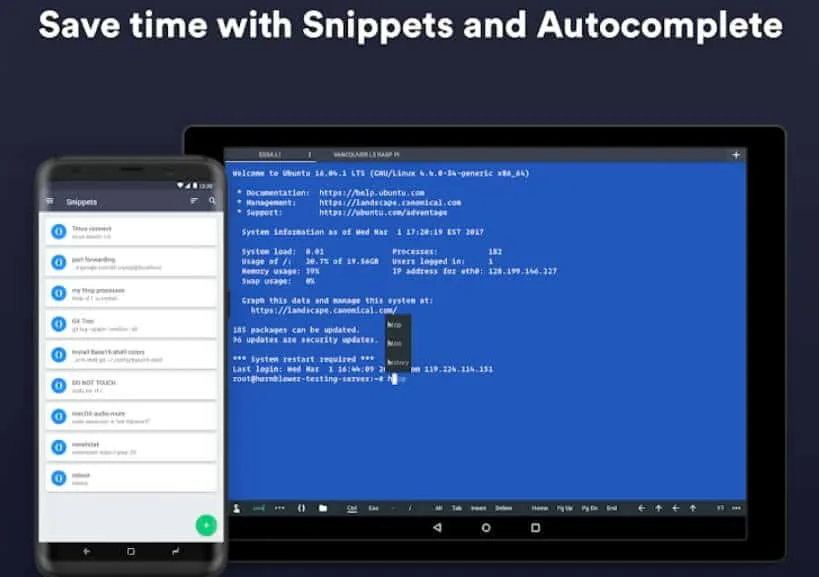
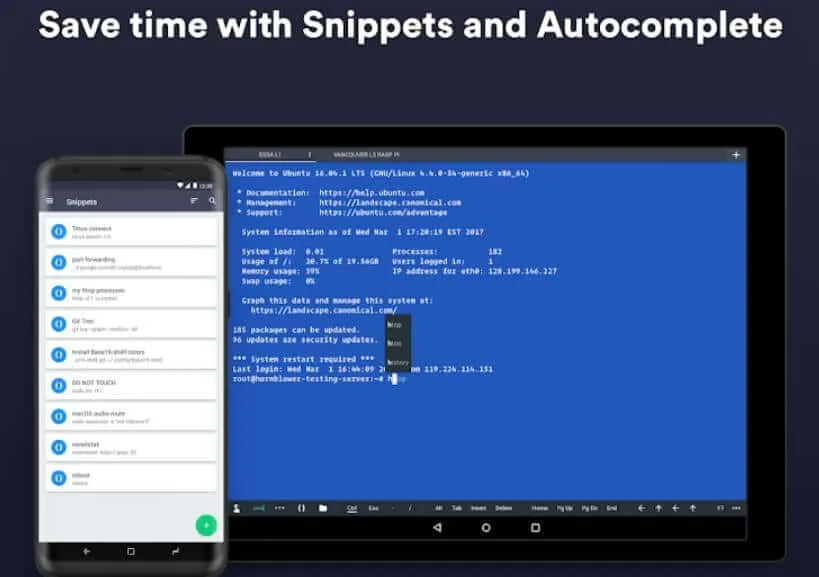
Top Android Tools for IoT- Termius: A secure SSH client for remote access.
- AndroSensor: A tool for monitoring sensor data from IoT devices.
- IFTTT: A platform for automating IoT interactions.
- Home Assistant: A comprehensive home automation solution.
These tools, combined with your VPC and Raspberry Pi setup, create a robust ecosystem for managing your IoT devices securely.
Enhancing Network Security
Network security is a critical component of any IoT setup. By implementing best practices, you can protect your devices and data from potential threats. Below are some strategies to enhance your network security:
Security Best Practices- Use strong, unique passwords for all devices and accounts.
- Enable two-factor authentication (2FA) wherever possible.
- Regularly update firmware and software to patch vulnerabilities.
- Monitor network activity for signs of unauthorized access.
- Encrypt data transmissions to prevent interception.
Implementing these practices will help safeguard your IoT environment against cyber threats.
Key Considerations for IoT Security
When securing remote IoT connections, several factors must be taken into account. These include device authentication, data encryption, and network segmentation. By addressing these considerations, you can create a more secure and resilient IoT setup.
Device authentication ensures that only authorized devices can access your network. Data encryption protects sensitive information during transmission, while network segmentation isolates IoT devices from other parts of your network, reducing the risk of a breach spreading.
Troubleshooting Common Issues
Despite careful planning, issues can arise when setting up remote IoT connections. Below are some common problems and their solutions:
- Connection Issues: Verify network settings and ensure proper configuration of security groups.
- Device Authentication Failures: Check credentials and reset if necessary.
- Performance Problems: Optimize network settings and update firmware.
By addressing these issues promptly, you can maintain a stable and secure IoT environment.
Best Practices for Secure Connections
Adopting best practices is essential for maintaining secure remote IoT connections. These practices include regular audits, employee training, and adherence to industry standards. By following these guidelines, you can minimize the risk of security breaches and ensure the longevity of your IoT setup.
Regular audits help identify vulnerabilities, while employee training ensures that all team members understand the importance of security protocols. Adhering to industry standards, such as ISO 27001, provides a framework for implementing robust security measures.
Future Trends in IoT Security
The field of IoT security is rapidly evolving, with new technologies and approaches emerging regularly. Some trends to watch include:
- AI-Powered Security: Using artificial intelligence to detect and respond to threats in real-time.
- Blockchain for Authentication: Leveraging blockchain technology for secure device authentication.
- Zero-Trust Architecture: Implementing a model where no device or user is trusted by default.
Staying informed about these trends will help you stay ahead of potential threats and maintain a secure IoT environment.
Conclusion
Securing remote IoT connections through a VPC on Raspberry Pi, with the help of free Android tools, is a powerful way to manage your IoT ecosystem. By following the steps outlined in this guide, you can create a secure and efficient setup that meets your needs.
We encourage you to share your thoughts and experiences in the comments section below. Additionally, explore our other articles for more insights into IoT security and technology. Together, we can build a safer and more connected world.